Posts

Showing posts from January, 2026

Quod Scripsi, Scripsi

Image
     Not just I.N.R.I: what was really written on the Cross     di Ermes Dovico (translated and edited by L. Pavese)      On the cross on which the Lord was crucified the Latin acronym I.N.R.I (Iesus Nazarenus, Rex Iudaeorum), which stood for Jesus Nazarene, King of the Jews, was not the only visible writing.      In addition to the Latin inscription, Saint John the Evangelist says the writing was also in Hebrew and Greek. And the Hebrew version reveals the reason why the Jews tried in vain to convince Pontius Pilate to change it.      “Pilate also had an inscription written and put on the cross. It read, 'Jesus the Nazorean, the King of the Jews.' Now many of the Jews read this inscription, because the place where Jesus was crucified was near the city; and it was written in Hebrew, Latin, and Greek.” (John 19, 19-20)      Before Saint John had written the fourth and last Gospel towards the end o...
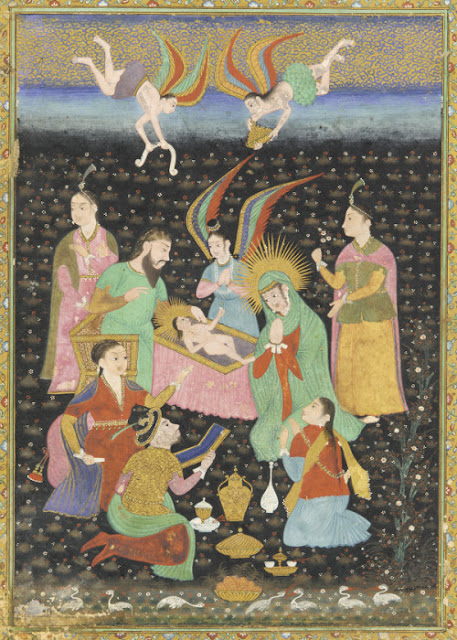
The Gifts from the Orient

Image
                          The Aromatic Plants             by Fr. Claudio Doglio              Aromatic plants are mentioned many times in the gospels. When Jesus refers to the hypocrisy of the Pharisees, who paid the tithe on low value plants also, he names a series of them: “ Woe to you, scribes and Pharisees, you hypocrites. You pay tithes of mint and dill and cumin and have neglected the weightier things of the law: judgment and mercy and fidelity. (But) these you should have done, without neglecting the others.” (Mt 23,23). Luke’s parallel text also mentions the rue. (Luke 11,42). Jesus’ reproach is obvious: you are finicky and pedantic about minutia, but you neglect much more important things. There are also two more aromatic plants that play a significant role in a few episodes of the Gospel, although they are not original of ...